As a continued effort to keep learning Godot, I've made a prototype system for omni-directional point and click movement system.
This also includes Nathan Hoad's Dialogue Manager plugin.
As a continued effort to keep learning Godot, I've made a prototype system for omni-directional point and click movement system.
This also includes Nathan Hoad's Dialogue Manager plugin.
In my previous post I've made some basic point and click movement, but now I've implemented a state machine to keep track of the player's character state.
I've done state machine in the past, but its my first time implementing it in C#.
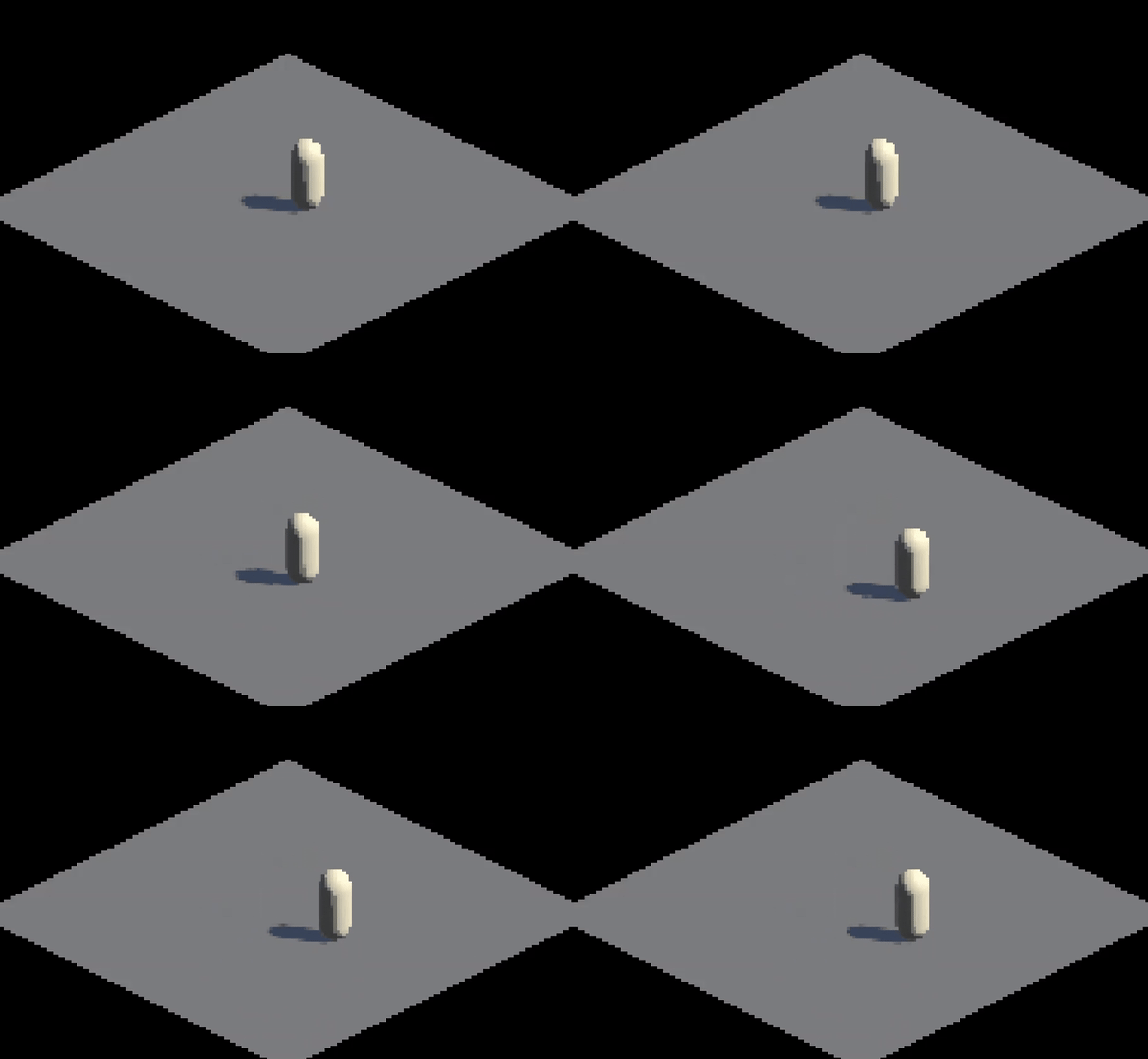
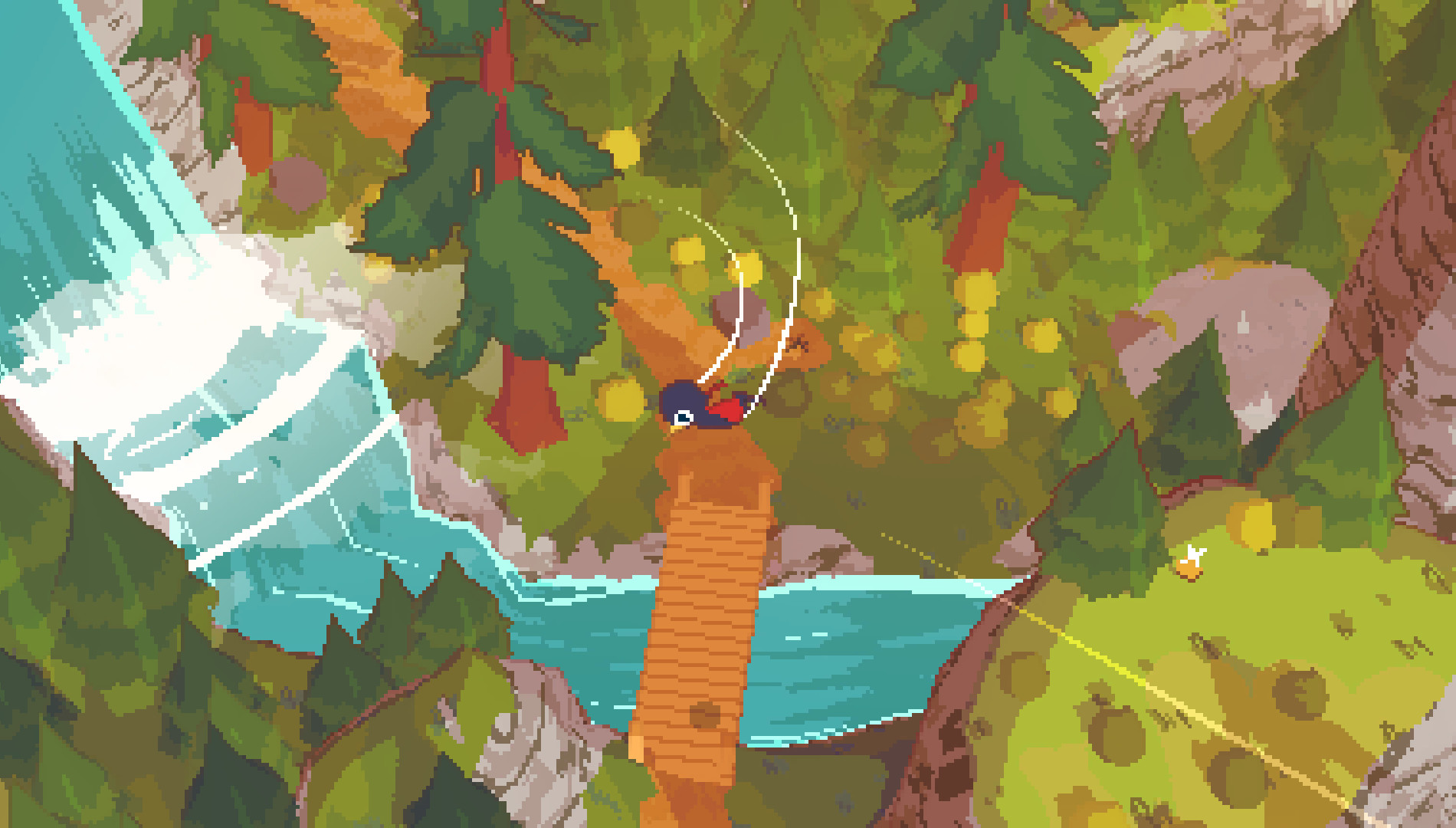
A few months ago, I played A Short Hike by recommendation from my partner, and I fell in love with the aesthetic. The concept of the game is very nice and feel-good, but it made me remember how much I loved the look and feel of games like Digimon World and other PSX-era low-res 3D games.
While learning Godot, I thought it'd be nice to replicate that aesthetic. Luckily, there are lots of devs already applying this effect in their games.
What I made is just a prototype I made just lowering the values for the resolution of the game, but there are pros and cons about it.
I'm probably going to keep messing around with this until I have something I'm satisfied with.
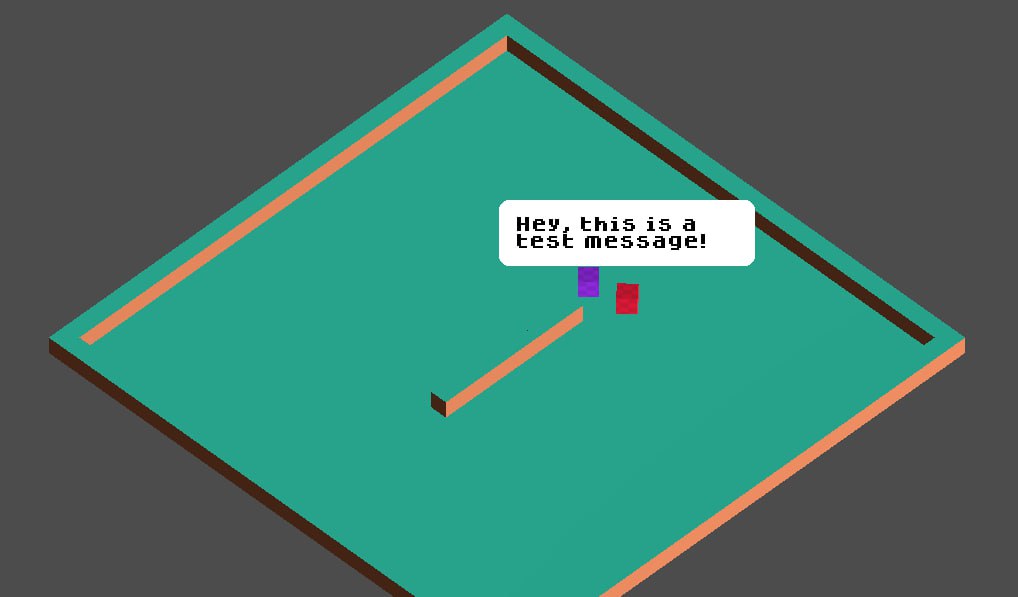
In a previous post I've said how I'd keep trying some 3D stuff. While I did that, I also tried to replicate the look & feel of the text message system from A Short Hike. There's this helpful YouTube video by DashNothing that I've used as a starting point to develop what you see in the screenshot.
In a previous post, I've re-created BorisTheBrave's implementation of The Binding of Isaac's dungeon generation algorithm in Godot. In addition, I've also followed Matinator's roguelike tutorial series.
In this video I showcase a prototype I've made with a basic dungeon generation and character controller.